
cosmetics
Cosmetic Ingredient Scanner: Spot Endocrine Disruptors Fast
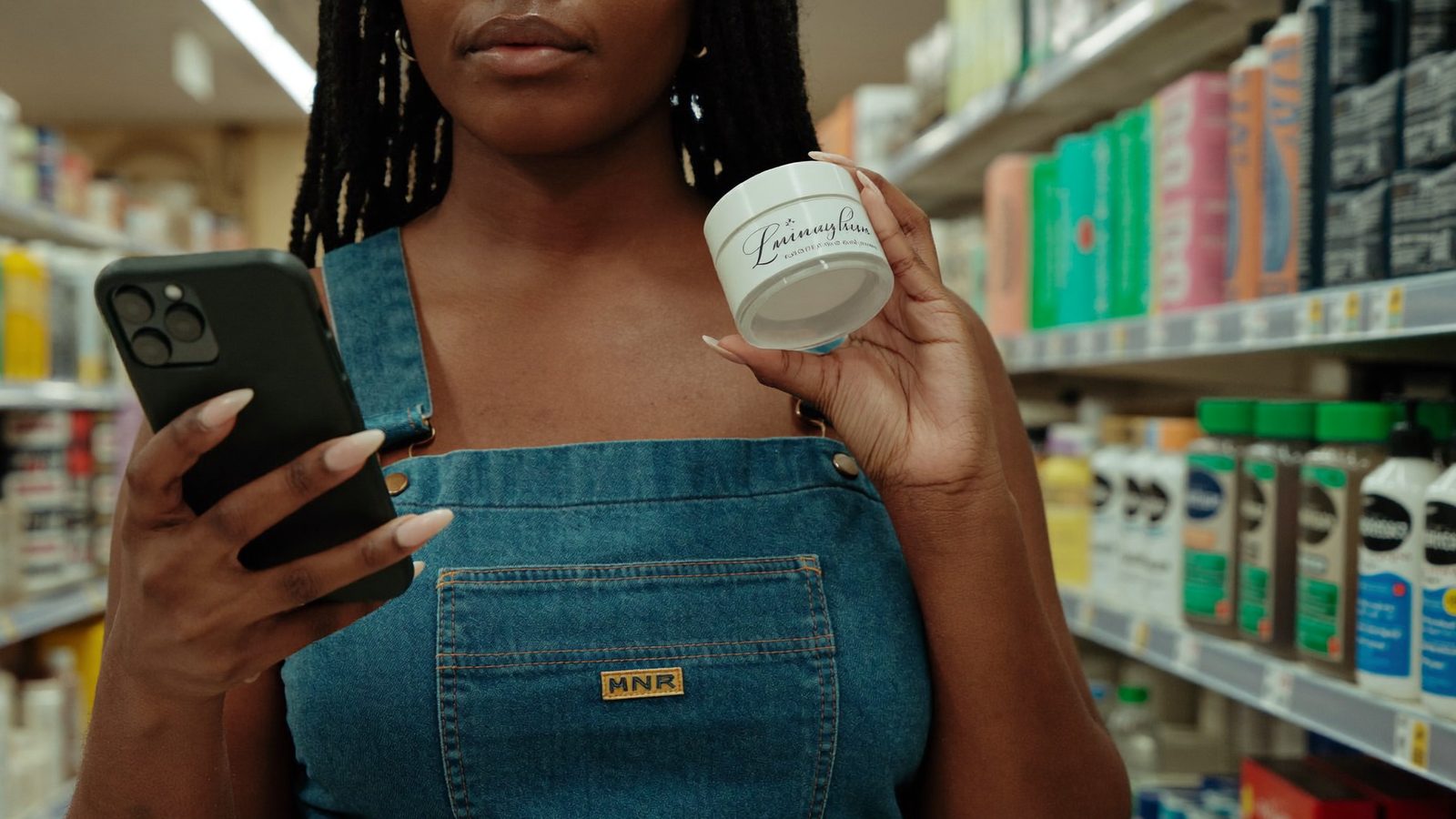
A cosmetic ingredient scanner reads a product's barcode or ingredient list and flags ingredients of concern, such as suspected endocrine disruptors, undisclosed fragrance mixtures, and common allergens. ScanVeer scores skincare, makeup, and personal-care products 0-100 using independent, evidence-based rules, then suggests better-rated alternatives.
Your shopping checklist
- Scan every daily leave-on product first: moisturizer, foundation, sunscreen, body lotion.
- Flag butylparaben, propylparaben, oxybenzone, homosalate, and triclosan on labels.
- Treat 'fragrance' or 'parfum' as unknown; prefer products that name scent components.
- Choose 'fragrance-free' over 'unscented' when sensitive skin is a concern.
- Check leave-on exposure before rinse-off products like shampoo and cleanser.
- Read the score reason, not just the number, before deciding to swap.
- Replace one product at a time as it runs out using better-rated swap suggestions.
- Re-scan after packaging or formula changes; reformulations are common.
- Verify the app's scoring method is public and accepts no brand payments.
Key takeaways
- A cosmetic ingredient scanner turns a 40-ingredient INCI list into a plain-language score in seconds.
- Parabens, certain phthalates, and some UV filters are the endocrine-disruptor ingredients with the most research attention.
- The word 'fragrance' or 'parfum' can legally hide dozens of undisclosed chemicals, including known allergens.
- Evidence ranges from established (contact allergy from fragrance) to emerging (low-dose hormone effects), and a good scanner tells you which is which.
- ScanVeer scores cosmetics independently, with no brand payments, so a high score cannot be bought.
In this article
What a Cosmetic Ingredient Scanner Actually Checks
Ingredient labels on skincare and makeup use INCI names, the standardized naming system for cosmetic ingredients. A cosmetic ingredient scanner does the translation: scan the barcode, and each ingredient is matched against research databases and regulatory lists.
The better scanners look at three things. First, the identity of each ingredient and whether it appears on any restricted or watch list. Second, its typical role in the product, since a preservative at 0.1% is a different question from a base oil at 30%. Third, the overall picture, because one flagged ingredient in an otherwise clean formula is not the same as five.
Where the data comes from
- Regulatory rulings, such as the EU's restrictions on specific parabens and the FDA's parabens page.
- Peer-reviewed toxicology and dermatology studies indexed on PubMed.
- Open ingredient datasets like Open Beauty Facts, the cosmetics sister of Open Food Facts.
ScanVeer pulls from these sources and applies one published rulebook to food, supplements, and cosmetics alike. You can read exactly how it weighs each ingredient at scanveer.com/how-we-score.
Endocrine Disruptors in Skincare: What the Evidence Says
An endocrine disruptor is a chemical that can interfere with hormone signaling. The real question is dose, exposure route, and how often you use the product.
Ingredients with the most research attention
- Parabens (methyl-, propyl-, butylparaben): preservatives with weak estrogen-like activity in lab studies. Methyl- and ethylparaben are considered low concern by most regulators; butyl- and propylparaben are restricted in the EU.
- Phthalates (especially diethyl phthalate, DEP): used to make fragrance last longer. Some phthalates are linked to reproductive effects in animal studies; DEP itself has weaker evidence.
- Benzophenone-3 (oxybenzone) and homosalate: chemical UV filters. The FDA has asked for more safety data on both, and the EU capped homosalate at 7.34% in 2022.
- Triclosan: an antibacterial the FDA removed from consumer hand soaps in 2016; still allowed in some toothpastes and cosmetics.
Human evidence is the weakest link. Studies show these compounds are detectable in urine after cosmetic use, but linking that to a health outcome in people is still emerging research, not settled science. The NIH's National Institute of Environmental Health Sciences summarizes the state of play honestly: biologically plausible, supported by animal data, and in need of better human studies.
A practical rule: prioritize leave-on products you use daily, like moisturizer, foundation, and sunscreen. A rinse-off shampoo delivers a fraction of the exposure. Scoring your everyday leave-ons is where you get the most value.
The Fragrance Problem: One Word, Dozens of Chemicals
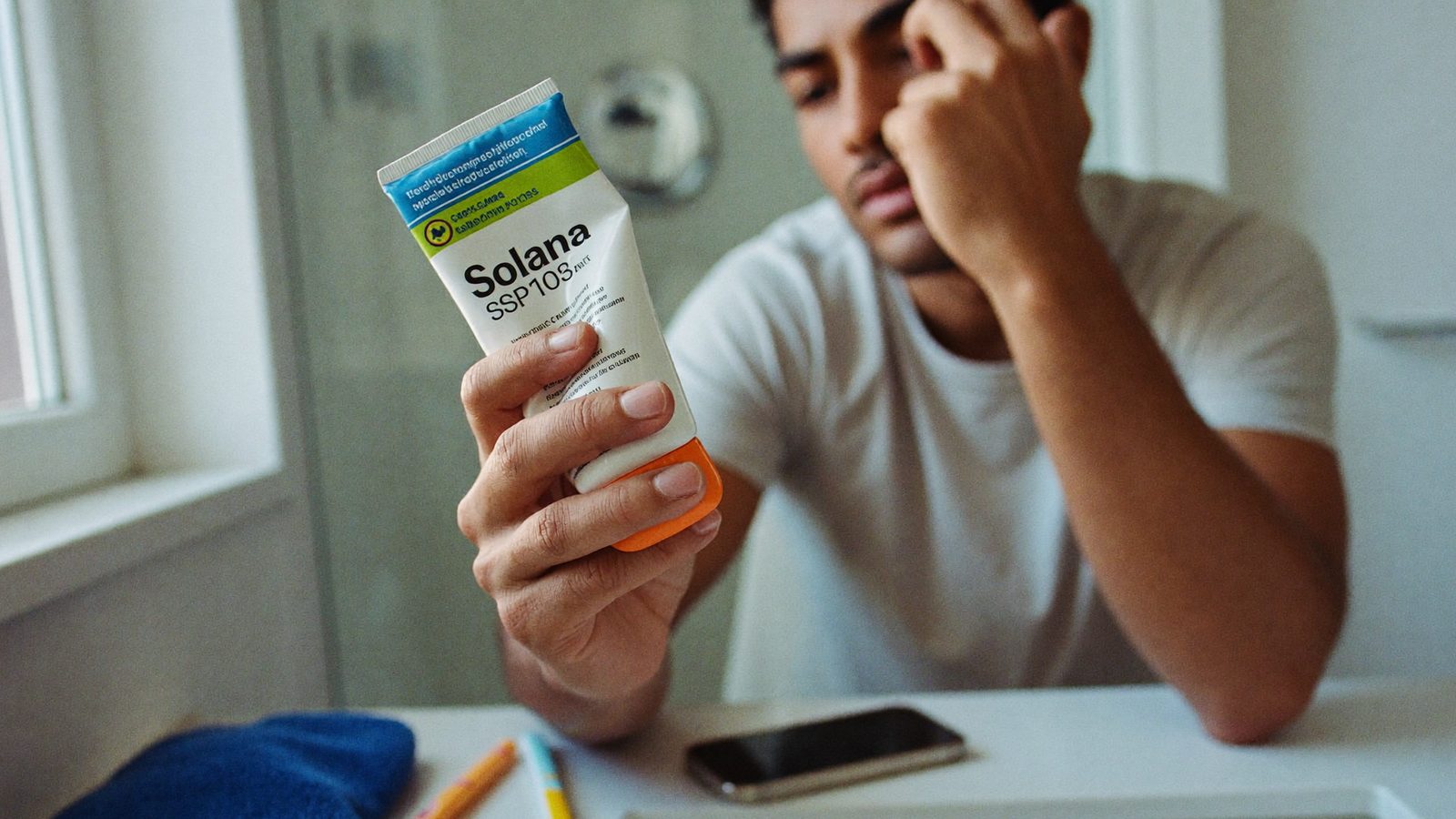
In the US, "fragrance" or "parfum" on a label is treated as a trade secret. A single word can stand in for 20 to 200 individual substances, none of which the manufacturer has to name.
Here the evidence is not emerging; it is established. Fragrance mixtures are among the most common causes of allergic contact dermatitis, a red, itchy reaction that can take days to appear. The EU requires 26 known fragrance allergens (like limonene, linalool, and citral) to be listed separately when they exceed a threshold, and expanded that list to over 80 in 2023. US labels have no such rule.
How a scanner handles the unknown
No scanner can see inside a hidden mixture. What a good cosmetic ingredient scanner does instead is treat undisclosed fragrance as a transparency penalty: the product loses points because you cannot verify what is in it. Products that list individual scent components, or that are genuinely fragrance-free, score higher on that dimension.
ScanVeer applies this consistently, and the score explanation tells you whether the deduction came from a named allergen, a suspected disruptor, or simply an undisclosed blend. The same principle drives our food scoring; the ingredient checker guide explains how it works on food labels.
- "Unscented" can still contain masking fragrance to cover raw-material smell.
- "Fragrance-free" is the stronger claim, but is not legally defined in the US.
- "Natural fragrance" and essential oils still contain limonene and linalool, which oxidize into allergens.
How to Use ScanVeer on Your Bathroom Shelf
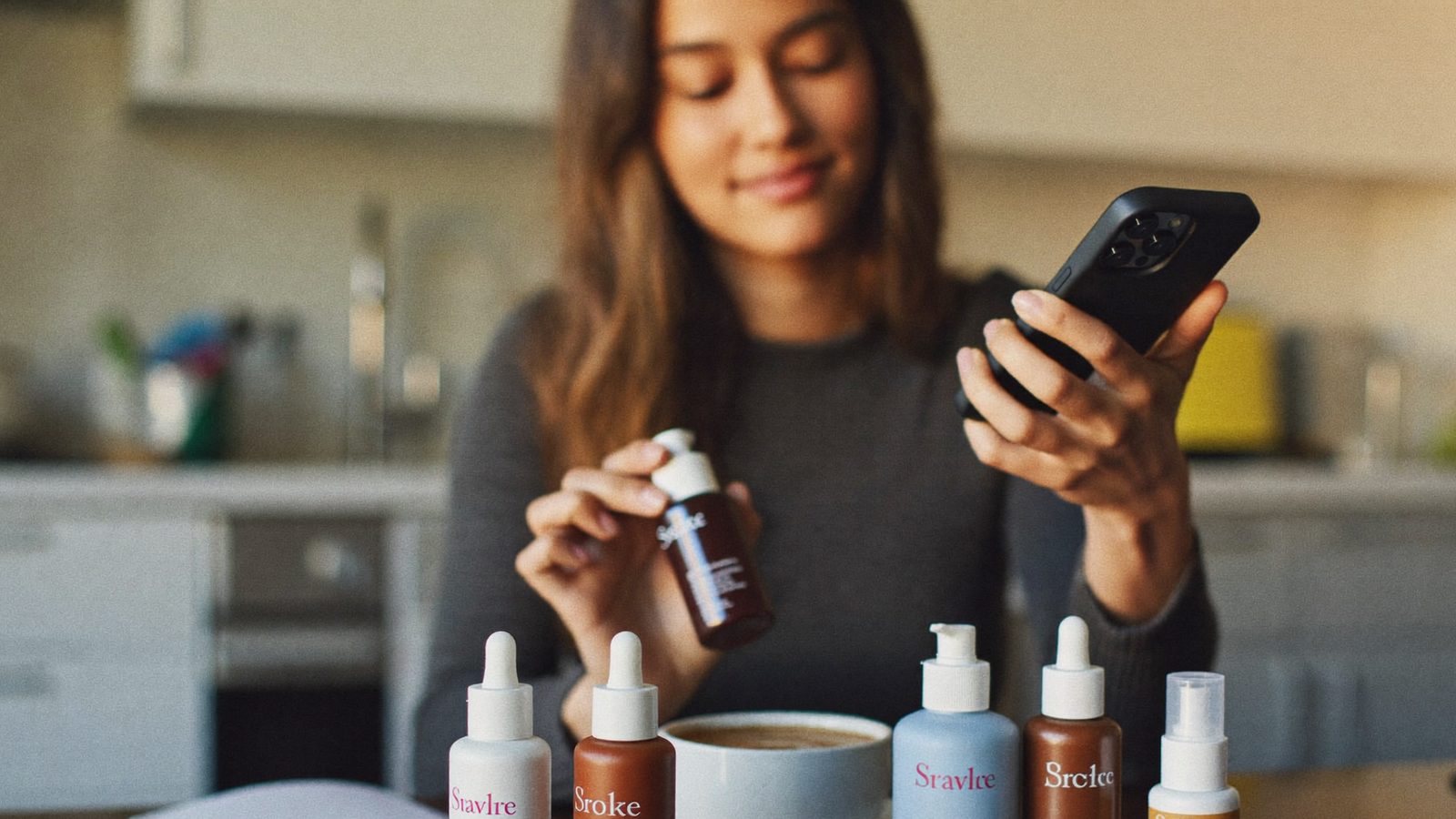
The fastest way to start is a ten-minute audit. Line up everything you use daily, open ScanVeer, and scan each barcode. The app returns a 0-100 score, a breakdown of which ingredients moved the number, and a swap suggestion when a better-rated product exists in the same category.
What to do with the results
- Sort by exposure. Daily leave-ons come first. A body lotion used twice a day matters more than a face mask used monthly.
- Read the reason, not just the number. A score of 55 driven by an undisclosed fragrance is a different decision from a 55 driven by two restricted UV filters.
- Swap the worst first. Do not throw out a full shelf. Replace one or two products as they run out, using ScanVeer's swap suggestions.
- Re-scan when packaging changes. The app updates as ingredient data changes.
Unlike some ingredient apps, ScanVeer does not accept payments from brands and has no sponsored placements, so a product cannot buy its way to a higher score. If you have used other scanning apps, our breakdown of why independent scoring matters covers the differences in detail.
Download ScanVeer free, scan your first product, and see what your moisturizer is actually made of.
Scan it before you buy it
ScanVeer gives any food, cosmetic, or supplement an instant 0–100 health score from unbiased data. Free and independent — brands can't pay for scores, ever.
Download ScanVeer freeFrequently asked questions
What is the best cosmetic ingredient scanner app for endocrine disruptors?
Look for an app that names its sources, separates established evidence from emerging research, and takes no brand payments. ScanVeer meets all three: it scores cosmetics 0-100 against a published rulebook, flags parabens, phthalates, and chemical UV filters by evidence level, and penalizes undisclosed fragrance blends for lack of transparency.
Can a cosmetic ingredient scanner detect hidden fragrance chemicals?
No app can see inside a trade-secret fragrance mixture, because the components are not listed anywhere. What a scanner can do is flag "fragrance" or "parfum" as an unknown, reward products that list individual scent components, and identify named allergens like limonene or linalool when they appear on the label.
Are parabens in skincare actually dangerous?
It depends on which paraben. Methylparaben and ethylparaben are considered low concern by the FDA and EU at typical use levels. Butylparaben and propylparaben show stronger estrogen-like activity in lab studies and are restricted in the EU. Human health effects at cosmetic doses remain an area of emerging research, not settled fact.
Does a makeup ingredient checker work on products without a barcode?
ScanVeer works best with a barcode, which links directly to a verified ingredient list. For products without one, such as samples or salon items, you can search by product name. Coverage for cosmetics is growing steadily as the open ingredient databases expand.
Should I throw away all my products with flagged ingredients?
No. Replace daily leave-on products first, one at a time as they run out, and use the app's swap suggestions to find better-rated options. Occasional-use or rinse-off products carry much lower exposure. Sudden full-shelf replacement is expensive, wasteful, and not supported by the evidence.
How does ScanVeer score cosmetics differently from food?
The same independent principles apply, but the criteria change. Food scoring weighs nutrients and additives; cosmetic scoring weighs ingredient safety evidence, allergen presence, fragrance transparency, and regulatory restrictions. Both use one published rulebook at scanveer.com/how-we-score and neither accepts brand payments.